About Dr Tayla
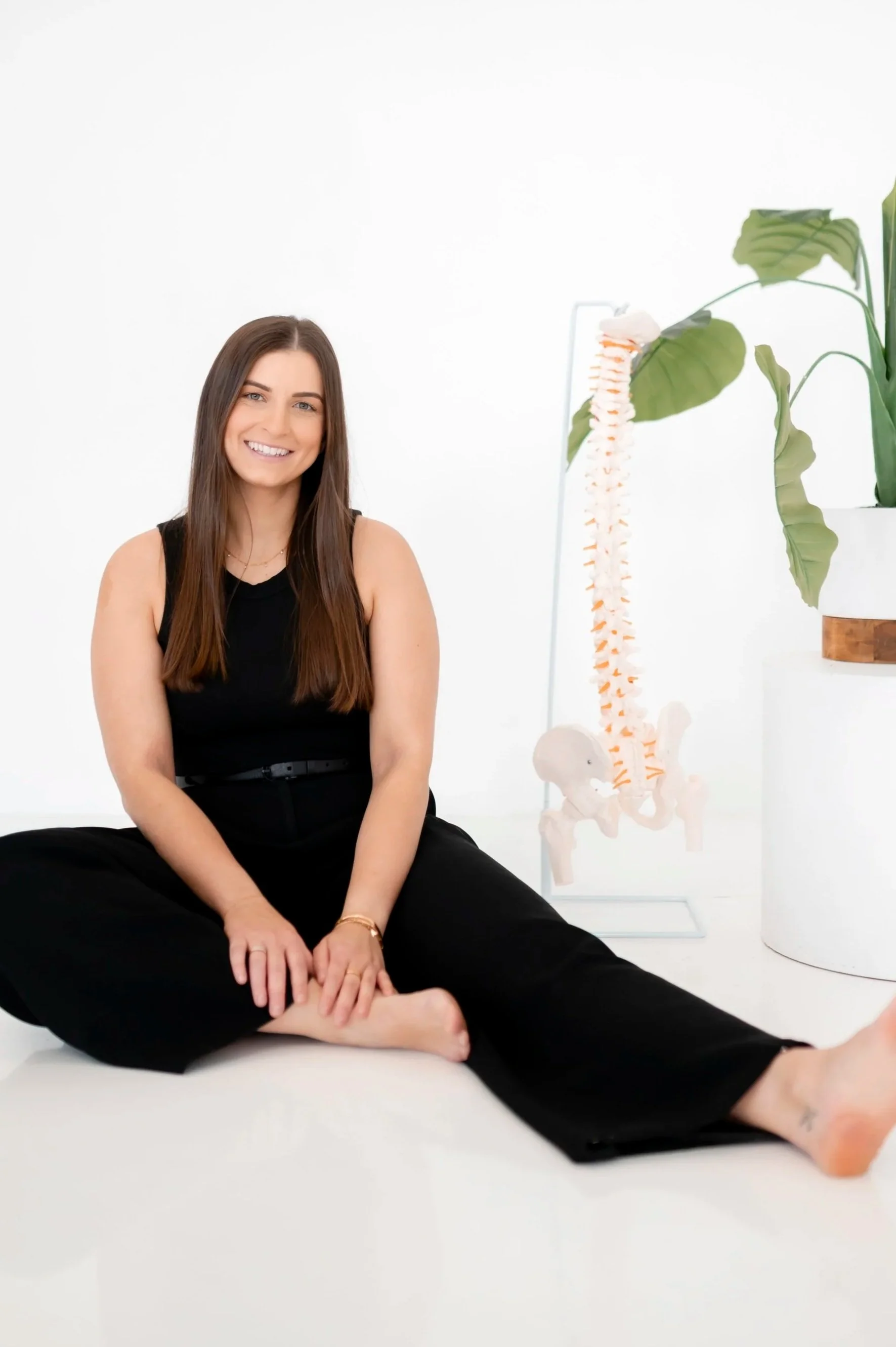
Dr Tayla is a passionate and dedicated Chiropractor whose own personal health journey led her to pursue a double degree in Bachelor of Science and Bachelor of Clinical Chiropractic (with Distinction) from Murdoch University. Her approach to chiropractic care is deeply rooted in her commitment to helping others achieve optimal health and wellness, particularly through natural and holistic methods.
Dr Tayla specialises in a range of chiropractic techniques, including Neural Organisational Technique (N.O.T), Diversified Technique, Applied Kinesiology, and Activator Methods. These diverse techniques allow her to tailor treatment to each individual, ensuring the best possible care for her patients.
Dr Tayla’s main focus is on nervous system regulation — helping the body move out of the chronic fight-or-flight state and back into balance. By assessing and supporting vagus nerve function, her care aims to calm the nervous system, improve overall body function, and promote a deeper sense of ease and wellbeing.
With a focus on women’s health, Dr Tayla is especially passionate about supporting women through all stages of life, including pregnancy. She is experienced in prenatal chiropractic care, helping expectant mothers relieve pain, support pelvic alignment, and prepare their bodies for a smoother birthing experience. Dr Tayla is also skilled in paediatric chiropractic, providing gentle and effective care to infants and children to support musculoskeletal development and address issues such as colic, reflux, and sleep disturbances.
Dr Tayla’s care goes beyond women and children—she is passionate about supporting the health of the entire family. At Unwind Chiropractic and Wellness in Wembley, she focuses on helping families improve posture, relieve pain, and enhance overall well-being. With a personalised approach, Dr Tayla is dedicated to guiding her patients toward healthier, happier lives through gentle, expert chiropractic care designed to meet each individual’s needs.


Neural Organisation Technique (NOT)
Neural Organisation Technique (NOT) is a modern chiropractic approach grounded in neuroscience, designed to restore optimal nervous system function. Your body relies on four key survival systems—fight/flight, immune, digestive, and endocrine/reproductive—controlled by your brain and spine. Chronic stress, injuries, emotional trauma, or biochemical imbalances can disrupt these systems, leading to fatigue, pain, digestive issues, and emotional strain.
NOT identifies these disruptions through detailed neurological assessments and gently corrects them using low-force spinal, cranial/jaw, and reflex adjustments. By restoring proper nervous system organisation, NOT improves your body’s ability to self-regulate, adapt to stress, and switch efficiently between alertness and recovery.
This technique helps:
Address unresolved stress from physical, emotional, or biochemical challenges
Correct postural and biomechanical imbalances
Enhance daytime and nighttime nervous system function
With NOT, you can improve resilience, reduce stress, and support overall health. Reorganise your nervous system and regain balance—book a session today.
The vagus nerve, the longest cranial nerve in the body, plays a crucial role in regulating key functions such as digestion, heart rate, inflammation, breathing, and emotional well-being. Dysfunction in this nerve—often caused by misalignment in the upper cervical spine—can lead to symptoms like digestive issues, irregular heart rhythms, chronic stress, fatigue, and mood disturbances. Misaligned vertebrae in the upper neck can disrupt communication between the brain and body, reduce parasympathetic (“rest and digest”) activity, and impair the body’s natural ability to self-regulate and heal.
Chiropractic care, particularly focused on the upper cervical spine, can help restore proper alignment, relieve nerve pressure, and improve vagus nerve function. Adjustments enhance nervous system communication, reduce stress and inflammation, and support better digestion, heart health, and emotional balance. By promoting harmony between the sympathetic (fight-or-flight) and parasympathetic systems, chiropractic care helps the body adapt to stress more effectively and maintain overall wellness.
Neural Organisation Technique (NOT) further supports nervous system health by identifying and correcting patterns of neural disorganisation caused by physical injury, emotional stress, or biochemical imbalances. Using gentle, precise adjustments and assessments of spinal, postural, and brain function, NOT helps the nervous system reset, improving its ability to respond to stress, recover efficiently, and maintain optimal function throughout the day and night.
ReferencesPorges, S. W. (2011). The Polyvagal Theory: Neurophysiological Foundations of Emotions, Attachment, Communication, and Self-Regulation. W. W. Norton & Company.Schander, A., & Gevirtz, R. (2019). Vagal Nerve Stimulation and the Treatment of Chronic Pain and Depression. Neuroscience & Biobehavioral Reviews.Pickard, G. E., & Sollars, P. J. (2012). The Autonomic Nervous System and Its Role in Health and Disease. Journal of Physiology.Ferreri, C. (1984). Neural Organization Technique: A Chiropractic Approach to Stress and Trauma. Applied Kinesiology Review.
What is Chiropractic?
Chiropractic care focuses on the nervous system, especially how the spine supports its function, to help the body heal and perform optimally. Chiropractors in Wembley diagnose, treat, and prevent musculoskeletal issues by correcting spinal misalignments that may interfere with nervous system function. Through gentle, hands-on adjustments and non-invasive techniques, chiropractic care can relieve back and neck pain, headaches, joint discomfort, and posture problems, while promoting overall wellness, mobility, and enhanced performance. Whether managing chronic pain or maintaining optimal health, chiropractic provides a natural, personalised approach tailored to your needs.
What Can Chiropractic Help With?
Neck pain and back pain
Headaches & migraines
Posture improvement
Family wellness care
Jaw pain and TMJ dysfunction
Stress and Sleep
Concussion management
Women’s health
Paediatric care: supporting growth, development, and milestones
Pregnancy support